Bitcoin to naira: how the BTC/NGN rate works
The naira value of one bitcoin comes from two separate prices: what a single coin trades for in US dollars, and how many naira one dollar buys. Those two figures are tracked on different schedules, so the rate you see is a snapshot of both rather than a single official number. This page displays both charts so you can follow each part yourself; it publishes no rate of its own and offers no converter.
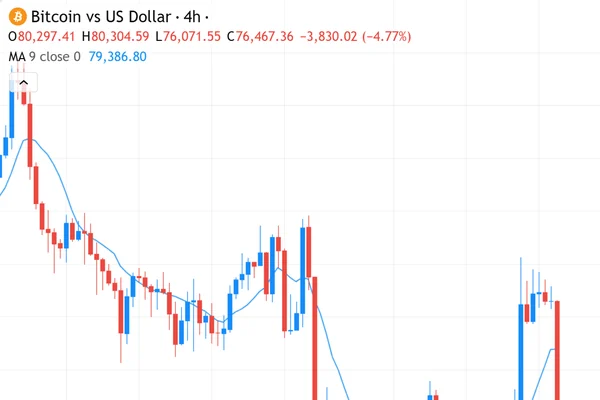
Bitcoin: chart
Chart by the TradingView widget; the data may be delayed, see its page.
The price is drawn here by the TradingView widgetThe price widget did not load
If nothing appears, the exchange shows the same quote on its own page.
Quote at the exchangeBTCUSD on bitstamp.netOpen the widget source on TradingView- Currency
- USD
- Price on this page
- TradingView widget, delayed
Dollar to naira: chart
Chart by the TradingView widget; the data may be delayed, see its page.
The price is drawn here by the TradingView widgetThe price widget did not load
If nothing appears, the exchange shows the same quote on its own page.
Quote at the exchangeUSDNGN on tradingview.comOpen the widget source on TradingView- Currency
- NGN
- Price on this page
- TradingView widget, delayed
How the naira figure is built
The arithmetic behind a naira figure is simple: take the bitcoin price in US dollars from the first chart, take the dollar-to-naira rate from the second chart, and multiply the two. Nothing else enters the sum — not your bank's spread, not a platform's fee, not the size of your trade. The answer is only as good as those two inputs.
Because it is a product of two moving parts, the naira figure shifts whenever either chart moves. A quiet day for bitcoin can still produce a different naira number if the dollar rate has moved, and the reverse is also true.
The two inputs also keep different hours. Bitcoin trades around the clock, every day, so its dollar price changes continuously. The dollar-to-naira rate follows its own feed and may update less often, especially outside banking hours, so the second input can sit still while the first is moving.
That mismatch is why timing matters. Note when each input was last updated before you rely on the combined figure, and treat any naira number as a snapshot of two clocks rather than a fixed rate. For the dollar leg on its own, see the bitcoin dollar price page.
- First input: the bitcoin price in US dollars, read from the first chart.
- Second input: the dollar-to-naira rate, read from the second chart.
- The sum: multiply the two; nothing else belongs in it.
The official rate and where it is published
The dollar side of a naira figure has an official reference, and it is published by the Central Bank of Nigeria. The bank posts exchange rates on its own site, and the link sits below this text so you can open the source directly rather than relying on a second-hand figure.
Reading the rate at the source matters because that is where it is defined. A platform quoting naira for bitcoin may take its dollar rate from a different source, or from the same source at a different moment. Two quotes can therefore disagree without either being wrong in its own terms.
Use the published rate as the reference for the dollar leg, then compare it with whatever figure a platform shows you. If the two differ, the gap usually sits in the source or the timestamp, not in the bitcoin price itself.
For any decision that depends on the official number, open the bank's page and read the figure there. Treat a rate quoted elsewhere as a copy, and copies can lag.
Why a platform's naira quote can differ
A platform's naira quote is its own figure, not a universal rate. It is built from a dollar price and a dollar-to-naira rate, then adjusted for how that platform does business. Two venues can show different naira numbers for the same coin at the same moment and both be internally consistent.
Timing explains much of the gap. Each platform captures its two inputs at a particular moment, and those moments differ. A quote refreshed a few minutes ago can already be stale if either input has moved since, so compare the timestamp rather than assuming the newer-looking figure is closer to the market.
The source of the dollar rate matters too. Some platforms may take the Central Bank of Nigeria figure; others may use a different reference or their own internal rate. The spread the venue applies, its fee, and how much demand it is handling all push the final number away from the raw multiplication.
On an exchange, that quote belongs to the platform alone. On a peer-to-peer marketplace, each seller sets a naira price and adds the margin they want, so offers vary from seller to seller.
Compare the total naira you would actually pay or receive, fees included, rather than the headline. That figure is the one that reaches your account, whether you buy bitcoin in Nigeria or sell bitcoin for naira.
Reading the two charts together
The two charts on this page are meant to be read side by side. One shows bitcoin in US dollars; the other shows the dollar against the naira. A naira figure only makes sense when you know what both inputs were doing at the moment you looked.
Start with the timestamps. Check when each chart last updated before you compare them, because a figure built from an old dollar rate and a fresh bitcoin price describes two different moments. Note the gap between the two stamps rather than assuming they match.
Bitcoin trades around the clock, so its chart keeps moving at night and through the weekend. The dollar rate chart can sit flat during those hours. A flat second chart does not mean the figure is wrong — it means one input has stopped updating while the other carries on.
Small timing gaps matter more than they look. Once the two inputs are multiplied, a difference of a few minutes can widen into a visibly different naira number. For a trend view, set the same timeframe on both charts so you are comparing like with like.
Between the quote and the naira in your bank
The naira you see on a quote is not the naira that reaches your account. Several costs sit between the two, and each one takes a bite. Knowing them helps you judge whether a deal is worth doing.
Start with the spread, the gap between the price a platform shows you and the price it will actually trade at. Then add the platform's own trading fee. When coins move, a network fee applies too, and the guide to bitcoin fees explains that part. A withdrawal fee may follow, and your bank can apply its own charge when the money lands.
Time matters as well. Transfers pass through checks, and a payment can sit for a while before it clears. By the time the naira arrives, the rate may have moved.
One rule: pay only inside the platform. Anyone asking you to send money outside the platform to secure a better rate is almost certainly running a scam.
Official dollar-naira exchange rates are published by the Central Bank of Nigeria: cbn.gov.ng
Bitcoin: basics
- Market
- BITSTAMP · BTCNGN
- Founded
- 2009Wikidata
Coin profile from Wikipedia and Wikidata (fetched 05.11.2026); it may lag behind recent changes.
More guides
 What is Bitcoin and how does it workBitcoin is a digital currency that exists only as records on a network of computers, and no central bank or…
 How to buy Bitcoin in Nigeria: the steps and the checksBuying bitcoin in Nigeria starts with deciding where the coins will come from, because the route you pick shapes…
 How to sell Bitcoin in Nigeria: the steps and the checksSelling bitcoin in Nigeria is mostly a matter of process. You pick a venue you trust, complete its checks, compare…
Read next: Prices · Ethereum to naira: how the ETH/NGN rate works · What is Bitcoin and how does it work