TRXTron
Tron is a decentralized, proof-of-stake blockchain with smart contract functionality, and the cryptocurrency native to it is known as Tronix (TRX). This page profiles the coin, shows a TradingView chart whose figures can lag the live market, and explains the checks to make before buying or holding it. No price is printed here; every figure comes from the chart.
TRX price chart
Chart by the TradingView widget; the data may be delayed, see its page.
The price is drawn here by the TradingView widgetThe price widget did not load
If nothing appears, the exchange shows the same quote on its own page.
Quote at the exchangeTRXUSD on bitstamp.netOpen the widget source on TradingView- Currency
- USD
- Price on this page
- TradingView widget, delayed
The price comes from the TradingView widget and may lag the market; it is not a price from this site.
Tron, Tronix and TRX
Tron is the name of the blockchain, while Tronix is the name of the coin that runs on it. The ticker code for Tronix is TRX, which is how you will see it listed on charts and in wallet menus. People often shorten both to "Tron", and that habit causes confusion when someone tries to send the coin on the wrong network.
The network is decentralized and uses proof of stake, so block production depends on participants who stake coins rather than on mining hardware. The profile also notes smart contract functionality, which means developers can build applications that run on the chain.
No launch year or founder is stated here, because the site only repeats what its coin profile confirms. If you see a date or a name quoted elsewhere, treat it as unverified until you can check it against a source you trust. The chart further down the page is where the price comes from, and its figures can lag the live market.
Because the coin shares a name with its network, two checks are worth making before you act on anything you read about it. First, confirm that the page or message is about the coin you mean, since look-alike tickers exist. Second, ask where a claim comes from: a profile with a named source and a date can be checked, while a screenshot passed around a group chat usually cannot.
What the TRX chart on this page shows
The chart on this page is a TradingView widget showing TRX against the US dollar, and it is the only place on the page where a price appears. No figure is printed in the text itself, so treat the chart as the source and the prose as explanation.
Reading it is straightforward. Each candle covers a fixed slice of time, and switching the timeframe changes that slice, so a daily candle summarises a whole day of trading while a short interval shows the minutes inside it. Hovering over a candle brings up its open, high, low and close, which lets you see exactly what happened in that period rather than guessing from the shape.
Data in the widget can arrive late, so the last candle may not match what your mobile banking app or a peer-to-peer listing shows at that second. Use the chart to inform yourself, then look again at the moment you act. For the dollar side of the conversion, see the bitcoin price in usd page.
Ways to get TRX
Two common routes are an exchange account, where you fund the account and buy TRX on the platform's order book, and a peer-to-peer marketplace, where another person sells coins and the platform holds them in escrow while you pay. On a peer-to-peer order, pay only the account named on the order, only inside the platform, and mark the order paid only after you have really sent the money.
Either way, start by reading the venue's terms before you register. Look at how it handles disputes, what identity documents it asks for, and which networks it supports for deposits and withdrawals. A venue that explains these plainly is easier to deal with when something goes wrong.
Then complete the identity checks properly. Use your own details and documents, because a mismatch between your name and your account can surface at withdrawal, which is the worst moment to fix it. After that, secure the account with a strong password and two-factor authentication, and keep the recovery codes offline.
Before paying, compare the quote on screen with the TRX chart on this page. A peer-to-peer seller sets their own price, so a gap between the listing and the chart is normal, but a wide one deserves a second look. Buy a small amount first, withdraw it to a wallet that supports the coin, and confirm the coins arrive before committing more. The steps for a first purchase are set out in the buying guide, and the same order of checks applies here.
From the dollar chart to naira
The dollar figure on the TRX chart is only half the answer for a reader in Nigeria. To reach a naira value you multiply that dollar price by the dollar-to-naira rate, so the result moves when either side moves. This site has no TRX-to-naira page, and it has no converter, so the arithmetic is yours to do with the two charts in front of you.
The second chart sits on the bitcoin to naira page, which sets a bitcoin chart beside a dollar-and-naira chart. That page also links to the official dollar rate from the Central Bank of Nigeria, a useful yardstick when a platform quote looks odd. Check the date on any rate you use, because an old figure quietly skews the whole sum.
What you actually pay on a platform will differ from your calculated figure. The spread between buy and sell prices, plus any fee charged on the trade, sits on top of the market rate. Compare the total naira leaving your account rather than the headline quote, since a tidy-looking rate can hide a charge elsewhere.
Addresses, networks and scams
Sending TRX to the wrong network is a common way to lose coins. The address you paste and the network you select at the withdrawal screen must belong together, so check both before you confirm. An address is just a string of characters, and it carries no warning if it is used on the wrong chain.
Send a small test amount first, then confirm it has arrived in the receiving wallet before sending the rest. Keep the transaction reference the platform gives you, because it is what support will ask for if a transfer goes astray.
Fake giveaways and "double your TRX" schemes are everywhere, and they all ask you to send coins first. Treat any offer to multiply what you send as a loss, not an opportunity. Your recovery phrase is the master key to your wallet, so share it with nobody, and be wary of anyone who asks for it while offering help.
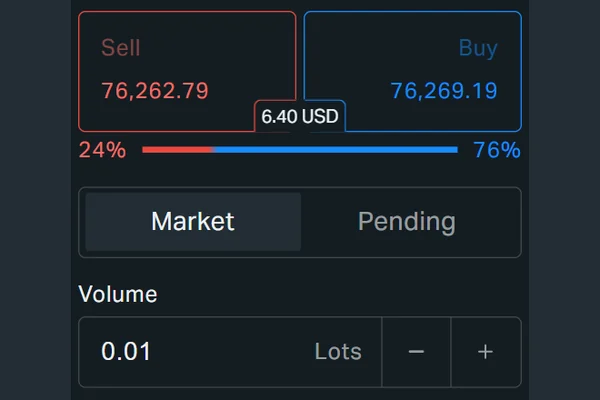
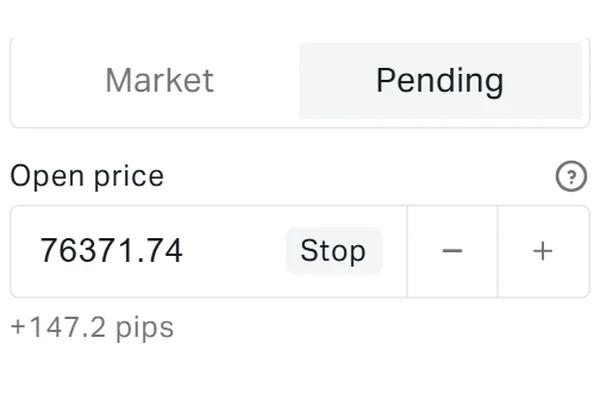
The sponsored box below is general: crypto CFDs follow a price without giving you the coin, and any broker's own contract list has to be checked by you.
Tron: basics
- Market
- Crypto market · TRX
Coin profile from Wikipedia and Wikidata (fetched 07.11.2026); it may lag behind recent changes.
More guides
 What is Bitcoin and how does it workBitcoin is a digital currency that exists only as records on a network of computers, and no central bank or…
 How to buy Bitcoin in Nigeria: the steps and the checksBuying bitcoin in Nigeria starts with deciding where the coins will come from, because the route you pick shapes…
 How to sell Bitcoin in Nigeria: the steps and the checksSelling bitcoin in Nigeria is mostly a matter of process. You pick a venue you trust, complete its checks, compare…
Read next: Bitcoin (BTC): chart and basics · Coins and charts · Prices