
Bitcoin guides for Nigeria: basics, buying, selling and safety
Plain-language guides to Bitcoin for readers in Nigeria: what it is, how to buy and sell it, wallets and addresses, mining, fees, price predictions and CFDs.
Guides
 What is Bitcoin and how does it workBitcoin is a digital currency that exists only as records on a network of computers, and no central bank or…
 How to buy Bitcoin in Nigeria: the steps and the checksBuying bitcoin in Nigeria starts with deciding where the coins will come from, because the route you pick shapes…
 How to sell Bitcoin in Nigeria: the steps and the checksSelling bitcoin in Nigeria is mostly a matter of process. You pick a venue you trust, complete its checks, compare…
 Bitcoin wallets explained: custody, keys and backupsA bitcoin wallet does not hold coins the way a purse holds cash. It holds the keys that let you move coins…
 What a Bitcoin address is and how to use one safelyA bitcoin address is a string of characters that tells the network where to send coins, a bit like an account…
 Bitcoin mining explained: what it is and why it is not free moneyBitcoin mining is the work that records payments on the network and brings new coins into existence. It is not a…
 Why Bitcoin network fees go up and downThe fee you pay to send bitcoin is a bid for space in the next block, so it moves with demand. This page explains…
 Bitcoin price predictions: why nobody can make one reliablyPeople search for bitcoin price predictions hoping for a number they can rely on. Nobody can supply one reliably…
 Trading Bitcoin through CFDs: what it means and what it risksA contract for difference lets you follow the price of bitcoin without owning any coin. This guide explains how…
Where to start
This page gathers the site's Bitcoin guides into one place and suggests an order for reading them. It is written for someone in Nigeria who has heard about bitcoin and wants a plain explanation before doing anything with money. Each section below points to the guide that covers that step in full.
Begin with a plain explanation of bitcoin. That guide covers the basic idea: a digital currency run by a network of computers rather than a company or government, with a supply cap of twenty-one million coins and a new block about every ten minutes. Knowing this first makes the later guides easier to follow.
Next, read about wallets and addresses. A wallet holds the keys that let you move coins, and an address is where someone sends them. This order matters because you need to know where coins will be kept before you buy any; buying first and choosing storage later is a common mistake.
Then come the guides on buying, which explain peer-to-peer marketplaces and bank transfers in naira. Read the section on fees before you sell anything, so you understand what a transaction costs. Selling comes last, once you understand holding, buying and costs.
If you only want the current price, skip ahead to the Bitcoin price in dollars pages. The guide cards above list every guide on the site.
Guides for buying and selling
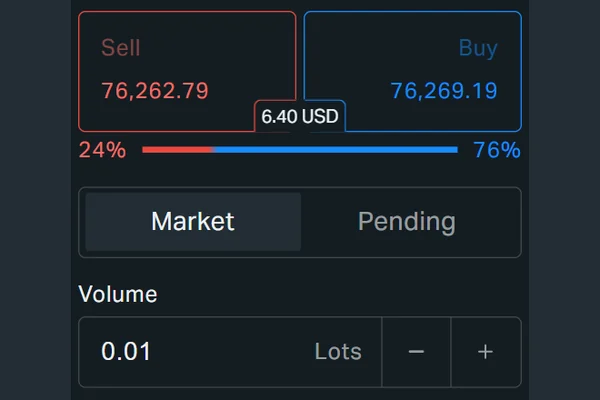
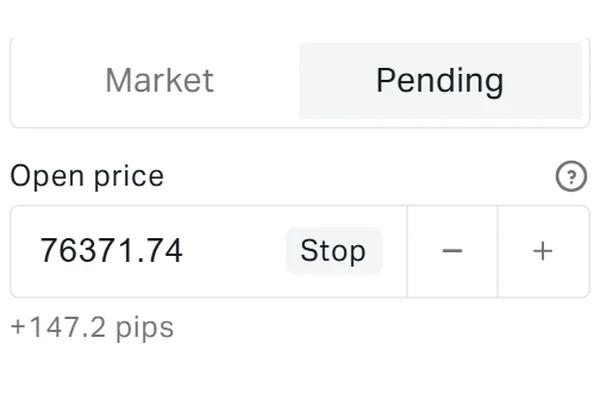
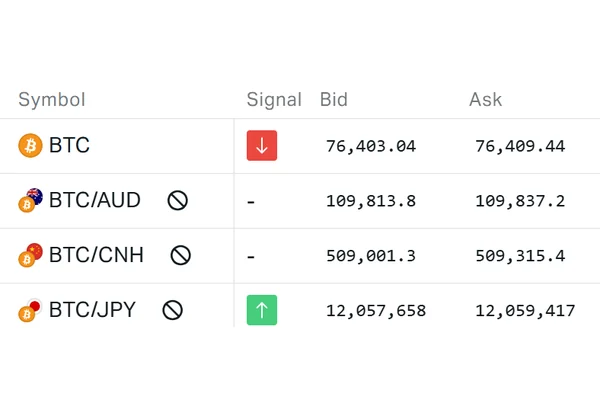
The buying and selling guides cover the practical step: turning naira into bitcoin, and bitcoin back into naira. They describe three routes without naming or ranking any platform. One is an exchange, where you trade on an order book. Another is a peer-to-peer marketplace, where you deal directly with another person. The third is a broker contract, where you take a position on the price without owning any coin.
Each route involves identity checks before you can move money. Expect to upload a document and a photo, and to link a bank account in your own name. Paying in naira usually means a bank transfer from your mobile banking app, so keep the receipt. Withdrawing works the same way in reverse: the money should land in an account you control, not in a friend's.
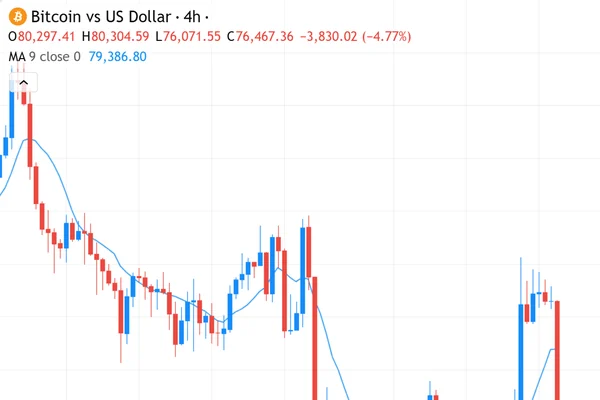
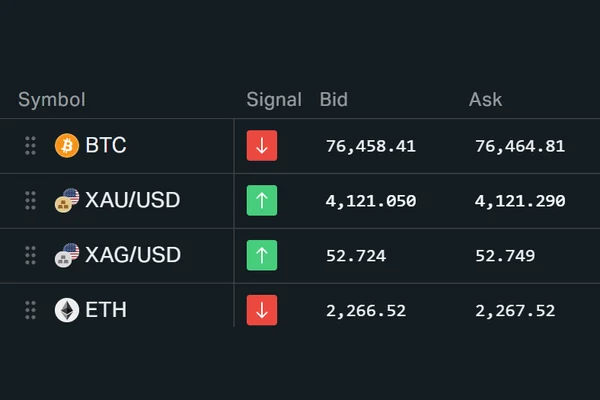
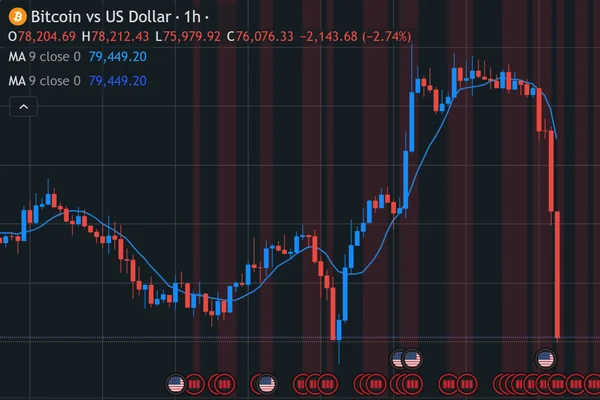
Before you accept any quote, compare it with the current bitcoin price in dollars shown on the site. The chart on that page is drawn by a TradingView widget whose numbers can trail real trades by a little, so use it as a rough reference, not an exact match. A quote far from the chart deserves a second look.
In a peer-to-peer deal, read the escrow rules before you send anything. Escrow holds the seller's coins until you confirm payment, and releasing early is the mistake to avoid. The guide to buying bitcoin in Nigeria and the guide to selling it walk through each step in order.
Guides for keeping coins safe
Wallets, keys and the recovery phrase
The wallet guide starts with a point many people miss: coins sit on the network, not inside an app. What a wallet holds are the keys that control them, so whoever has the keys controls the coins. That split explains custodial versus self-custody. With a custodial service, someone else holds the keys and you trust them to release your coins; with self-custody, the keys sit with you and so does the responsibility.
Self-custody brings a recovery phrase, usually a list of words shown once when you set up the wallet for your coins. Write it on paper and keep it offline; anyone who reads it can take the coins, and no support desk can restore it for you. A screenshot on your phone is a common and costly mistake.
Addresses, networks and test transfers
An address for receiving coins is a long string of characters, and a single wrong one sends funds somewhere unrecoverable. Copy it rather than typing it, then compare the first and last few characters against what the sender shows. Check the network label too, because coins sent on the wrong network may not arrive.
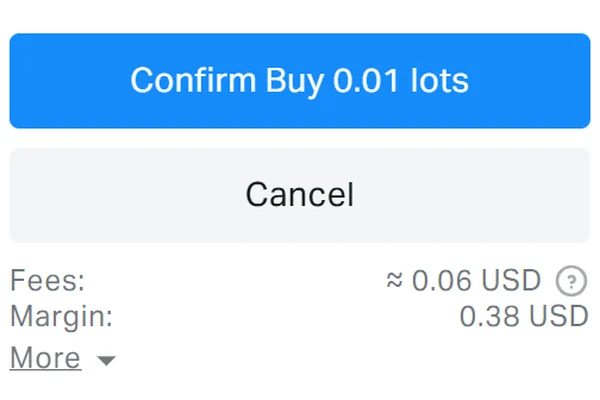
Before a large transfer, send a small test amount and confirm it lands. The guide to transaction fees breaks a total cost into spread, trading fee and network fee, so you can see where money goes. Most losses come from mistakes and scams, not from price moves.
Guides on mining, predictions and CFDs
Mining, forecasts and price contracts
The guide to bitcoin mining explains proof of work: computers compete to add each block, and the winner earns new coins. Mining consumes real electricity and hardware, so an offer that asks you to deposit money first is a trap, not an investment.
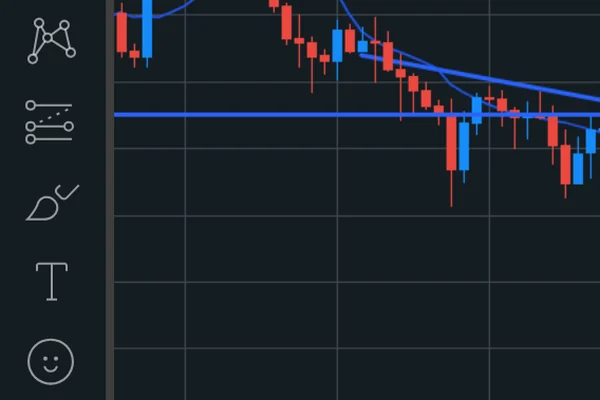
Forecasts are covered in the guide to price predictions. Nobody knows a future price, and anyone who claims certainty is guessing or selling something. Read a forecast by asking what it assumes and what it leaves out.
Contracts for difference get their own guide to crypto CFDs. A CFD follows the bitcoin price without giving you any coin or wallet. Leverage magnifies both gains and losses, so a small move against you can wipe out the money you put in.
Advertising on this site includes a paid placement from a broker that offers these contracts. The site does not recommend that broker or the products it sells; the placement is marked as sponsored so you know why it appears. Treat any pitch for CFDs as a sales message, not as guidance.
None of these guides tells you to buy or sell. They explain how mining works, how to weigh a forecast and what a leveraged contract involves, so you can judge the claims you meet elsewhere.
How the guides are written and kept
Every guide on this site is written to explain a mechanism, not to point you toward a trade. Plain wording comes first: a term is defined where it appears, and each step is described in the order you would actually meet it. No price is typed by hand anywhere. Figures appear only through the chart on the price pages, and those figures can lag the market.
Facts about coins are drawn from Wikipedia and Wikidata, and the source is named so you can check it yourself. Where a guide depends on a detail that can change, such as how a network confirms transfers, the page is reviewed when that detail changes rather than on a fixed schedule. If something cannot be verified, it is left out rather than guessed.
No guide predicts a price or tells you to buy or sell. The method behind these guides sets out how facts are checked and how corrections are handled. For the risks that come with trading, including borrowed money, read the page on responsible trading before you act on anything here.